Horse Riding in Diabat: Essaouira's Historic Equestrian Trailhead
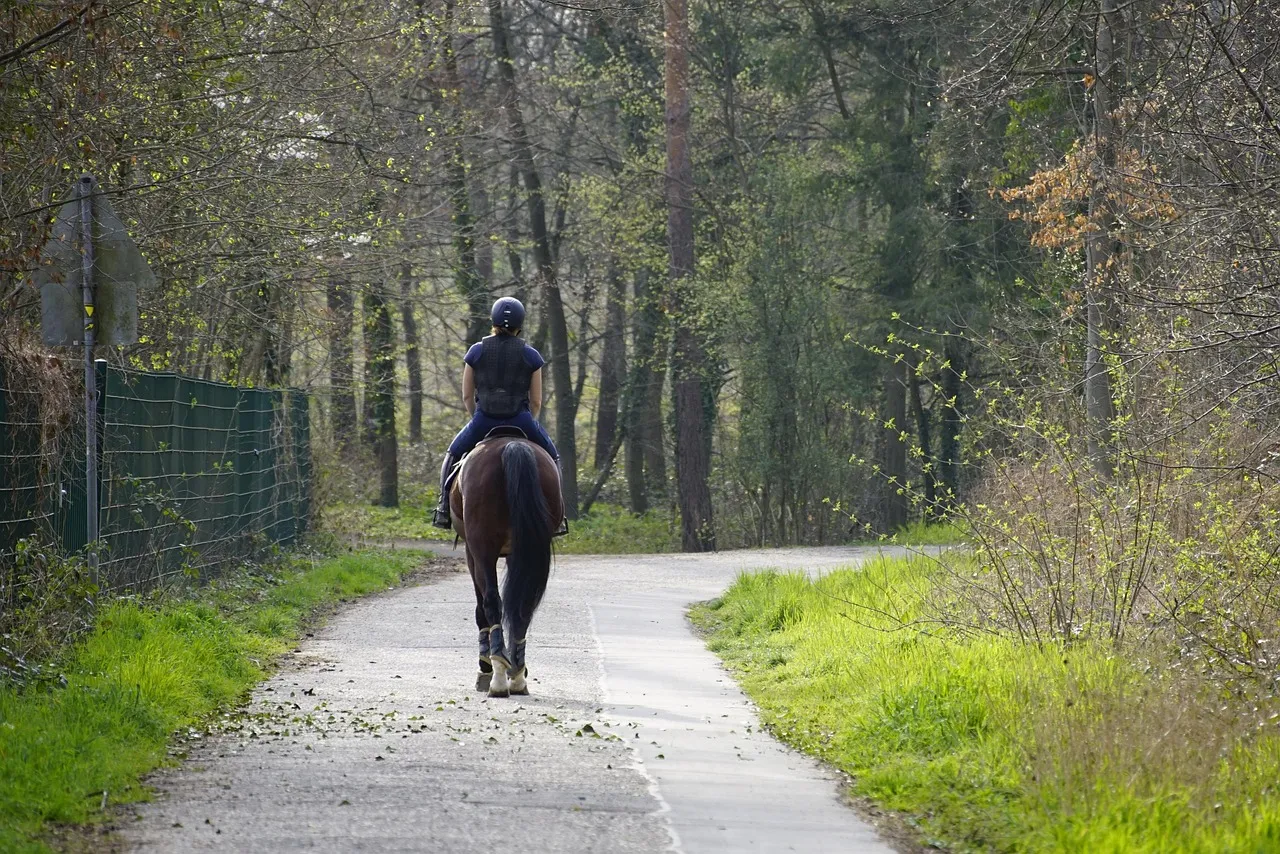
Diabat is the village 3 km south of Essaouira where most coastal rides begin. Here is what the route covers — Dar Sultan, Borj El Berod, argan woodland and the estuary — and how to get there.
This is a site-published editorial article. Activity prices, routes, conditions, and booking arrangements should be confirmed with Brahim before travel.
Diabat is a small village on the Oued Ksob estuary about 3 km south of Essaouira's medina, and it is the trailhead for most horse riding along this stretch of coast. Rides from Diabat combine sheltered eucalyptus and argan woodland with open dune and beach, passing two landmarks: the ruined pavilion of Dar Sultan and the sea fort of Borj El Berod.
Where is Diabat and how do you get there?
Diabat sits just south of the Oued Ksob, the seasonal river that separates it from Essaouira's main beach. By road it is roughly 5–7 minutes from the medina.
- Petit taxi — a blue petit taxi from Bab Doukkala or Bab Marrakech, about 20–30 DH each way
- On foot — walkable along the beach at low tide, though the estuary crossing depends on water levels
- By car — parking is available at the village
Confirm the exact meeting point when you book, as stables are spread through the village.
Why rides start here rather than in town
Geography. Diabat sits at the meeting point of four terrain types — estuary, dune, woodland and open beach — within a short ride of each other. Starting in Essaouira itself would mean riding through town first.
The village also has a long working relationship with horses, functioning as the local equestrian trailhead well before tourism.
What you pass on the route
Dar Sultan
An 18th-century royal hunting pavilion, built in the era of Sultan Mohammed ben Abdallah, now partly buried by shifting dunes. Its stone arches emerging from sand are the most photographed feature of the inland section.
Borj El Berod
A coastal fort standing in the surf near the estuary mouth, partly consumed by sand and sea. It is popularly linked to Jimi Hendrix, who visited the area in 1969 — the local story ties it to "Castles Made of Sand," though the song was recorded before the visit. The association is folklore rather than documented fact, but the ruin itself is genuinely striking.
Argan and eucalyptus woodland
Inland from the dunes, the trail runs through argan groves and planted eucalyptus. Argan is endemic to this region of Morocco, and goats climbing the trees to reach the fruit is a real local sight rather than a staged one.
What the riding is actually like
The route mixes surfaces, which is its main appeal: soft sand through the dunes, firm damp sand along the shoreline at lower tides, and packed track through the woodland.
The woodland section is meaningfully more sheltered than the open beach — relevant on a strong Alizés day, when the exposed shoreline can be uncomfortable.
Pace depends on the group. Beginners walk; confident riders can usually trot or canter on the firm beach sand where conditions allow.
Published rate
The Diabat village and castle ride is published at 350 DH (€35) for 1.5–2 hours, in small groups. Other durations and routes are on the prices page.
What to check before you go
Route specifics vary with tide, water level in the estuary, and weather:
- The exact meeting point in the village
- Whether the estuary is crossable on your date
- Which landmarks the route actually reaches, and whether they are stops or viewpoints
- Tide timing, which determines how much firm beach is available
- Wind, and whether a sheltered woodland route is the better call
Ask Brahim to confirm the route and meeting arrangements for your date. Do not assume a specific landmark is included until it is confirmed — the guide and FAQ covers more of the practical questions, and the full list of rides shows the alternatives.
Ready for Your Own Adventure?
Explore the current horse and camel riding options in Essaouira, then ask Brahim about availability and the details for your date.
Related Articles
Things to Do in Essaouira Beyond Horse Riding: A Local Day Plan
Essaouira packs a UNESCO-listed medina, a working fishing harbour, Atlantic beaches and an argan-country hinterland into a walkable coastal town. Here is how to structure a day around a morning or sunset ride.
Read More
Horse Riding Essaouira Prices: Full Rate Guide and Activity Cost Comparison
Published horse riding rates in Essaouira run from 250 DH (€25) for a one-hour beach ride to 600 DH (€60) for a 3h30 countryside trek. Here is the full comparison, plus how the other local activities price up.
Read More
Horse Riding or Camel Riding in Essaouira? How to Choose
Horses offer variable pace and more route options; camels offer a slower, steadier ride that suits families and hesitant first-timers. Here is how the two compare on the Essaouira coast.
Read More