The History of Horses in Moroccan Culture: Barbs, Cavalry and Tbourida
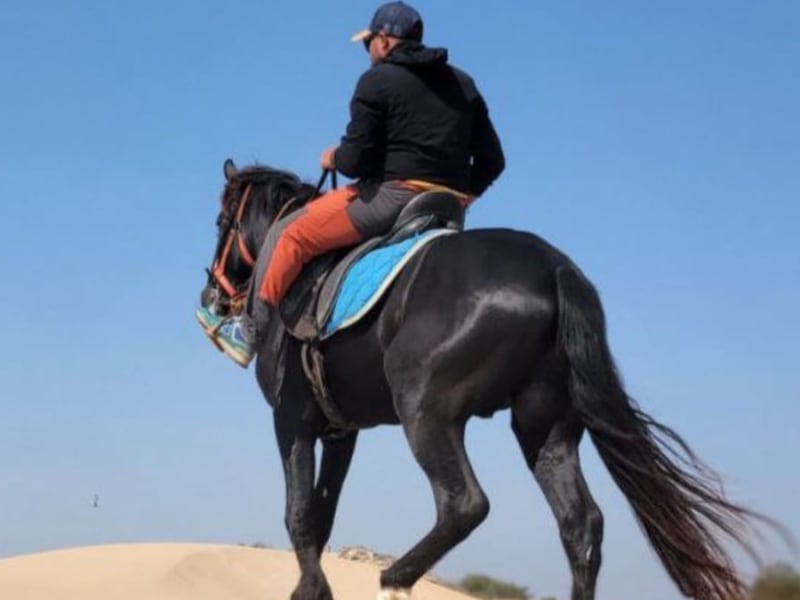
The Barb horse shaped North African cavalry, spread into European bloodlines, and still appears in Morocco's Tbourida ceremonies. Here is the background to the breed you ride in Essaouira.
This is a site-published editorial article. Activity prices, routes, conditions, and booking arrangements should be confirmed with Brahim before travel.
The Barb is one of the oldest and most influential horse breeds in the world, developed across the Maghreb and long associated with North African cavalry. Its endurance and steadiness under pressure made it a military horse for centuries, and those same traits are why Barb and Arabian-Barb horses are still the standard riding horse in Morocco today.
What is a Barb horse?
The Barb is a North African breed native to the Maghreb — modern Morocco, Algeria, Tunisia and Libya. It is built for hard ground, heat and distance rather than for size or speed over short courses: compact, tough-hooved, and known for stamina.
The Arabian-Barb is the widespread cross between the Barb and the Arabian, combining Barb hardiness with Arabian refinement. Most horses you will meet in Essaouira are Barb or Arabian-Barb.
Why the breed mattered historically
Barb horses carried North African cavalry, and mounted archers and lancers on Barbs were central to the military history of the region and of medieval Iberia. Through that contact, Barb bloodlines entered European breeding and contributed to a number of later breeds, including the foundation stock behind the Thoroughbred.
The horse was never treated as mere transport. In Moroccan tradition it carries prestige and, in the older framing, baraka — blessing.
Tbourida: the Fantasia
Tbourida is Morocco's traditional equestrian performance, often called Fantasia by outsiders. A troupe of riders lines up, charges in formation, and fires muskets in a single simultaneous volley at the end of the run. The judging is on the unity of the charge and the single sound of the volley — not on speed.
It is performed at moussems and festivals across the country and is recognised on UNESCO's list of Intangible Cultural Heritage. The tack is part of the display: worked leather, embroidered saddles, and decorated bridles maintained across generations.
Horses on the Atlantic coast
Essaouira's own equestrian tradition is tied to its geography. The Oued Ksob estuary, the dunes around Diabat, and the long beach south of the medina form natural riding country, and Diabat has functioned for generations as the village trailhead where coastal horses are kept and ridden. Riding out from Diabat today follows routes that predate tourism.
What this means when you ride
Three practical things follow from the breeding history:
- Steadiness — Barbs were selected to stay calm under noise and pressure, which is exactly what makes them workable for beginners near surf
- Endurance — they handle multi-hour routes over mixed terrain comfortably
- Sure-footedness — they cope with soft sand, dune slopes and stony forest tracks
Seeing it for yourself
If the cultural side interests you, the countryside and village routes pass through working argan and eucalyptus country rather than tourist beach, and the Diabat ride takes in Dar Sultan and Borj El Berod. Tbourida performances are tied to festival calendars rather than being available on demand, so ask locally about timing if you want to see one.
Brahim can explain which horses are working on your date and what the routes involve — see the published riding options and ask before booking.
Ready for Your Own Adventure?
Explore the current horse and camel riding options in Essaouira, then ask Brahim about availability and the details for your date.